Understanding the psychology behind gambling Why we play and how it affects us
The Allure of Gambling
Gambling has a unique draw for many individuals, often rooted in the thrill and excitement of risking something for the potential of a greater reward. This allure can be traced back to fundamental psychological factors, including the desire for instant gratification and the adrenaline rush associated with taking risks. In a society that often emphasizes quick results, gambling offers an accessible avenue for experiencing high-stakes excitement and even the opportunity to engage with real casino online options available today.
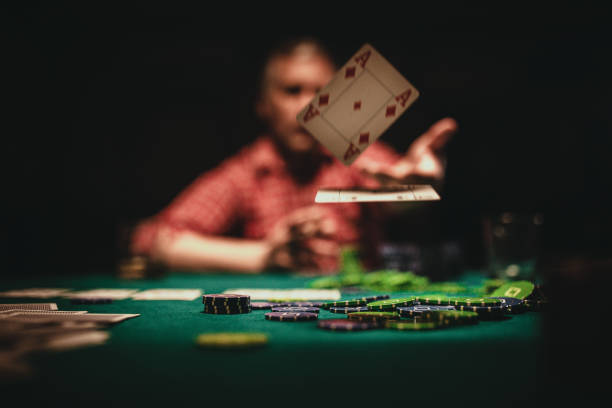
The anticipation of winning creates a compelling emotional experience. Gamblers often find themselves caught in a cycle where the excitement of the game elevates their mood, leading to repeated play. This psychological phenomenon can overshadow the practical understanding of the odds, as the promise of victory can cloud judgment and encourage more frequent participation.
The Role of Cognitive Biases
Cognitive biases play a significant role in gambling behavior. One of the most prevalent is the illusion of control, where gamblers believe they can influence the outcome of games that are fundamentally based on chance. This misconception allows individuals to feel empowered, leading to more engagement in gambling activities despite the odds being against them.
Another critical bias is the gambler’s fallacy, where individuals mistakenly think that past events affect future outcomes. For instance, someone may believe that after a series of losses, a win is “due,” leading them to continue playing in hopes of a favorable turn. These biases contribute significantly to the persistence of gambling behavior, often resulting in risky financial decisions.
The Social Aspects of Gambling
Gambling is not solely an individual endeavor; it is often embedded in social interactions. Many people gamble in groups, whether at casinos, poker nights, or sporting events, making it a communal activity that fosters a sense of belonging. This social aspect can enhance the enjoyment, as sharing experiences and emotions with others often makes the activity more appealing.
Additionally, the social environment of gambling venues can amplify feelings of excitement and competition, further encouraging participation. The reinforcement from peers, combined with the ambiance of gaming establishments, can create a euphoric environment that makes gambling more enticing, thus affecting individuals’ decision-making processes.
The Psychological Impact of Gambling
The psychological effects of gambling can be profound and varied. For some, the experience can be exhilarating and rewarding, while for others, it can lead to significant distress and potential addiction. The thrill of winning can create a psychological high that reinforces the behavior, while the experience of loss may lead to negative emotions such as shame or anxiety.
In severe cases, gambling can result in compulsive behavior, where individuals feel unable to control their gambling habits despite negative consequences. This condition can lead to various issues, including financial problems, relationship breakdowns, and mental health disorders, underscoring the necessity for awareness and education surrounding responsible gambling practices.
Your Source for Gambling Insights
At our website, we strive to provide comprehensive insights into the world of gambling, focusing on its psychological implications and effects. Understanding the underlying motivations and impacts can empower individuals to make informed choices regarding their gambling habits. Our goal is to foster a responsible gambling environment through education and awareness.
We appreciate your interest in this multifaceted topic and encourage you to explore the resources we offer. Knowledge is crucial in navigating the complex landscape of gambling, and we are here to support you in understanding both the allure and the risks associated with this popular activity.